
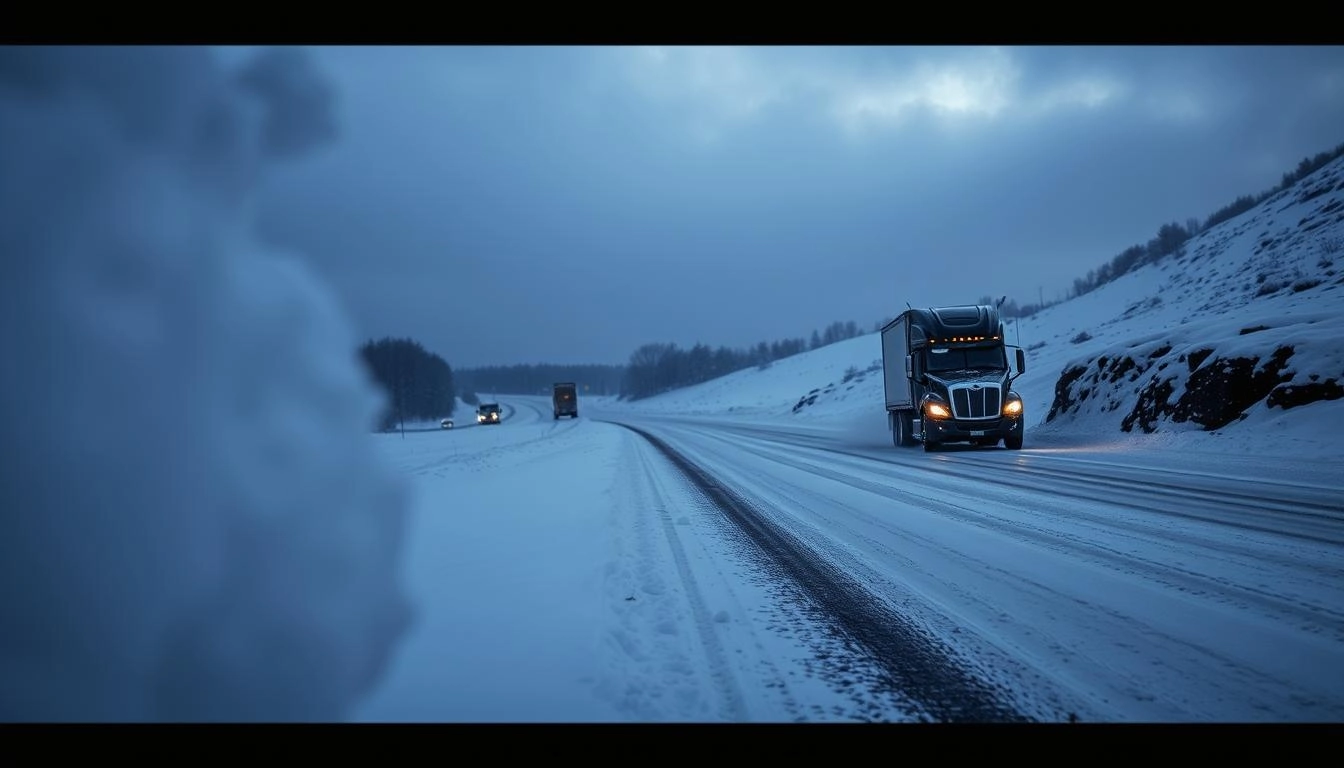
Key Takeaways
- Winter in the Northern Plains presents unique challenges for drivers
- Modern vehicles are built to handle harsh conditions but require regular maintenance
- Freezing temperatures and icy roads demand extra caution
- Proper preparation ensures safety and performance in extreme weather
- Stay informed about weather conditions and plan routes carefully
Introduction: Navigating Winter Challenges on the Road
Driving in the Northern Plains during winter requires more than just skill—it demands preparation. The region’s extreme weather conditions create unique challenges that can disrupt even the most well-planned routes. From icy roads to sudden snowstorms, these hazards test both vehicles and drivers.
Understanding the Unique Demands of Northern Plains Winters
Winter in this region is unpredictable. Temperatures can plummet rapidly, and visibility often drops to near zero. These conditions make it harder to maintain control and stay on schedule. For drivers, this means adapting to constant changes and being ready for the unexpected.
Severe weather doesn’t just affect safety—it also impacts delivery timelines. Delays caused by road closures or slow-moving traffic can ripple through your operations. Staying ahead of these challenges requires careful planning and the right equipment.
Why Preparation is Key for Your Operations
Preparation isn’t just about safety; it’s about efficiency. Regular vehicle checks and upgrades ensure your equipment can handle the cold. Scheduling a professional service before winter hits can prevent breakdowns and keep your operations running smoothly.
- Winter weather increases the risk of accidents and delays
- Proper planning helps maintain safety and meet deadlines
- Regular maintenance and professional service reduce downtime
Assessing Harsh Winter Conditions in the Northern Plains
The Northern Plains are notorious for their brutal winter conditions, which test both drivers and vehicles. Frigid temperatures, biting winds, and heavy snowfall create a challenging environment. Understanding these extremes is the first step toward staying safe and efficient.
Climate Extremes and Road Hazards
Winter in this region brings unpredictable weather. Temperatures can drop below zero, and wind chills make it feel even colder. These conditions lead to icy roads, snowdrifts, and reduced visibility. Drivers must be prepared for sudden changes and hazardous surfaces. Check NOAA’s Winter Weather Safety page.
Common road hazards include black ice, which is nearly invisible, and snow accumulation that can block lanes. Reduced visibility during snowstorms makes it harder to spot obstacles or other vehicles. These factors increase the risk of accidents and require extra caution.
Impact on Freight Schedules and Delivery Timelines
Harsh winter weather doesn’t just affect safety—it disrupts schedules. Road closures, slow-moving traffic, and detours can cause significant delays. For freight operations, this means missed deadlines and potential financial losses.
Planning ahead is crucial. Check weather forecasts regularly and adjust routes as needed. Keep communication lines open with dispatchers and clients to manage expectations. Proactive measures can help minimize disruptions and keep operations on track.
Commercial Truck Winter Equipment Essentials
The right equipment can make all the difference when facing winter’s toughest challenges. From freezing temperatures to icy roads, having the proper gear ensures safety and reliability. Investing in quality accessories and safety innovations is essential for navigating harsh conditions.
Must-Have Cold Weather Accessories
Winter demands specialized tools to keep your vehicle running smoothly. Engine block heaters are a game-changer, ensuring your engine starts even in sub-zero temperatures. Enhanced windshield wipers and de-icing fluids improve visibility, while tire chains provide extra traction on slippery roads.
Manufacturers like Isuzu have integrated advanced features to handle extreme cold. Their models include heated mirrors and upgraded batteries for consistent performance. These innovations reduce downtime and keep you on schedule, even in the harshest weather.
Enhanced Safety Gear for Extreme Conditions
Safety is paramount during winter months. Equip your vehicle with emergency kits containing blankets, flashlights, and first-aid supplies. Reflective vests and flares increase visibility during breakdowns or accidents.
High-quality components are designed to withstand extreme conditions, reducing the risk of malfunctions. Investing in such gear not only protects you but also enhances overall efficiency.
Pre-Trip Inspections and Maintenance for Your Truck
Before hitting the road in winter, a detailed pre-trip inspection is essential for smooth operations. Extreme weather conditions in the Northern Plains can strain even the most reliable vehicles. Taking the time to check key components ensures safety and prevents unexpected breakdowns.
Checking Fluids, Battery Health, and Engine Performance
Start by inspecting fluid levels, including antifreeze, oil, and windshield washer fluid. These are critical for maintaining engine performance and visibility in cold weather. (FMCSA Guide)
Ensure your battery is fully charged and free of corrosion, as cold temperatures can reduce its efficiency.
Test your engine’s performance by checking for unusual noises or vibrations. A well-maintained engine is less likely to fail in freezing conditions. Follow manufacturer guidelines for regular maintenance to keep your vehicle running smoothly.
Tire Inspections and Heating Solutions
Winter tires or chains are a must for icy roads. Check tire pressure and tread depth regularly to ensure optimal traction. Low pressure or worn-out tires increase the risk of accidents on slippery surfaces.
Heating solutions like engine block heaters are invaluable in sub-zero temperatures. They prevent engine fluids from freezing and ensure a quick start. Inspect your heating system to confirm it’s functioning correctly before each trip.
Safe Loading and Cargo Securement During Winter
Winter driving in the Northern Plains requires extra attention to cargo securement. Icy roads and sudden stops can cause unsecured loads to shift, leading to dangerous situations. Properly securing your cargo ensures safety and prevents delays caused by accidents or damaged goods.
Tips for Preventing Cargo Shift in Icy Conditions
Unsecured cargo is a major risk during winter. Icy or uneven road surfaces can cause loads to move, affecting vehicle balance and control. To avoid this, follow these steps to secure your cargo effectively:
- Use high-quality tie-downs and straps to stabilize your load. Ensure they are tight and evenly distributed
- Balance weight distribution across the vehicle. Uneven loads can increase the risk of tipping or skidding
- Inspect your cargo periodically during long trips. Adjust straps as needed to maintain stability
Real-world scenarios highlight the dangers of inadequate securement. A sudden stop on icy roads can send unsecured items flying, damaging the vehicle or causing accidents. Taking the time to secure your load properly can prevent these hazards.
Proper Use of Winter Safety Equipment
Staying safe on icy roads requires more than just skill—it demands the right tools and knowledge. Modern vehicles are equipped with advanced safety features designed to handle winter’s toughest challenges. Understanding how to use these tools effectively can make all the difference in emergencies.
Utilizing Advanced Features for Emergency Preparedness
Anti-lock braking systems (ABS) and electronic stability control (ESC) are essential for maintaining control on slippery surfaces. ABS prevents wheels from locking during sudden stops, while ESC helps stabilize the vehicle during sharp turns or skids. Knowing how these systems work can enhance your confidence in winter driving.
Despite these advancements, breakdowns still happen, especially in extreme cold. Dead batteries, frozen fuel lines, or loss of traction can leave a truck stranded in unsafe conditions. In these situations, having a reliable heavy-duty towing and recovery service is critical. Providers like Austin’s Towing & Recovery specialize in assisting commercial vehicles in severe weather, whether it’s pulling a rig out of a snowbank or ensuring a safe tow from icy roads.
On-board diagnostics and real-time monitoring systems provide valuable insights into your vehicle’s performance. These tools alert you to potential issues before they become serious problems. Regularly checking these systems ensures your vehicle is ready for any situation.
Fuel Efficiency and Cold Weather Performance
Cold weather can significantly impact your vehicle’s performance and fuel efficiency. Freezing temperatures thicken engine oil, reduce battery efficiency, and increase fuel consumption. Understanding these challenges is the first step toward maintaining optimal functionality during winter.
Tactics for Maintaining Optimal Engine Functionality
Modern vehicles are designed with advanced technologies to combat cold weather effects. Regular maintenance is crucial for keeping your engine running smoothly. Check your oil viscosity and switch to a winter-grade oil if necessary. Ensure your battery is fully charged and free of corrosion.
Driving habits also play a role in conserving fuel. Avoid rapid acceleration and sudden stops, as these actions increase fuel consumption. Use cruise control on highways to maintain a steady speed and reduce unnecessary fuel usage.
Conclusion
Navigating the Dakotas in winter requires preparation and the right tools. From extreme weather conditions to icy roads, being ready is the key to safety and efficiency.
Proper equipment, like engine block heaters and tire chains, ensures your vehicle performs reliably in freezing temperatures. Regular maintenance, such as checking fluids and battery health, prevents breakdowns and keeps operations smooth. Advanced safety features, including ABS and ESC, provide added control on slippery surfaces.
Take action today. Equip your vehicle, schedule maintenance, and stay informed about weather conditions. With the right preparation, you can face winter’s toughest challenges with confidence and ensure sustained safety and performance.